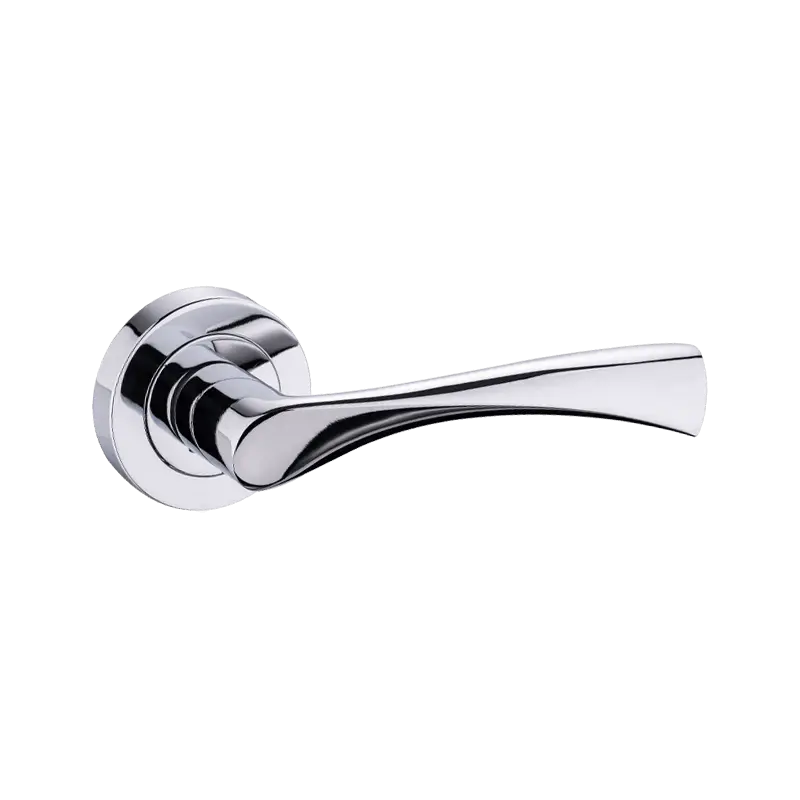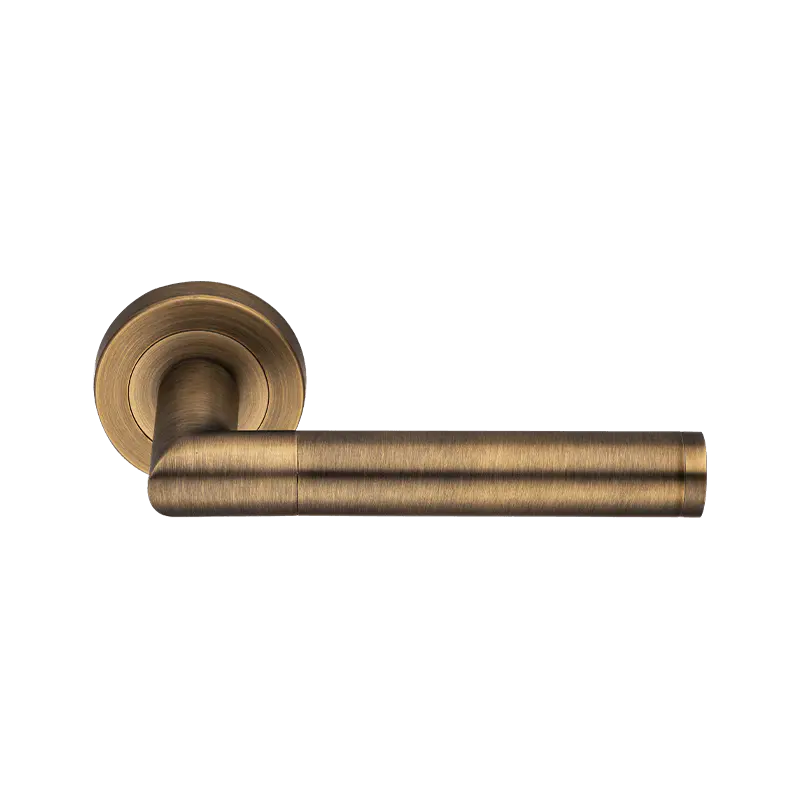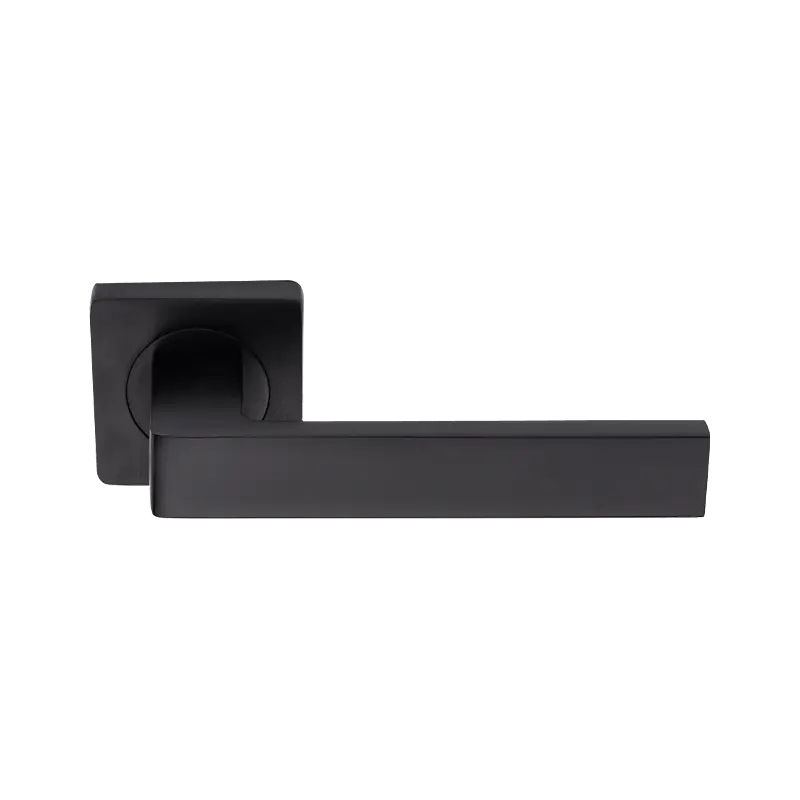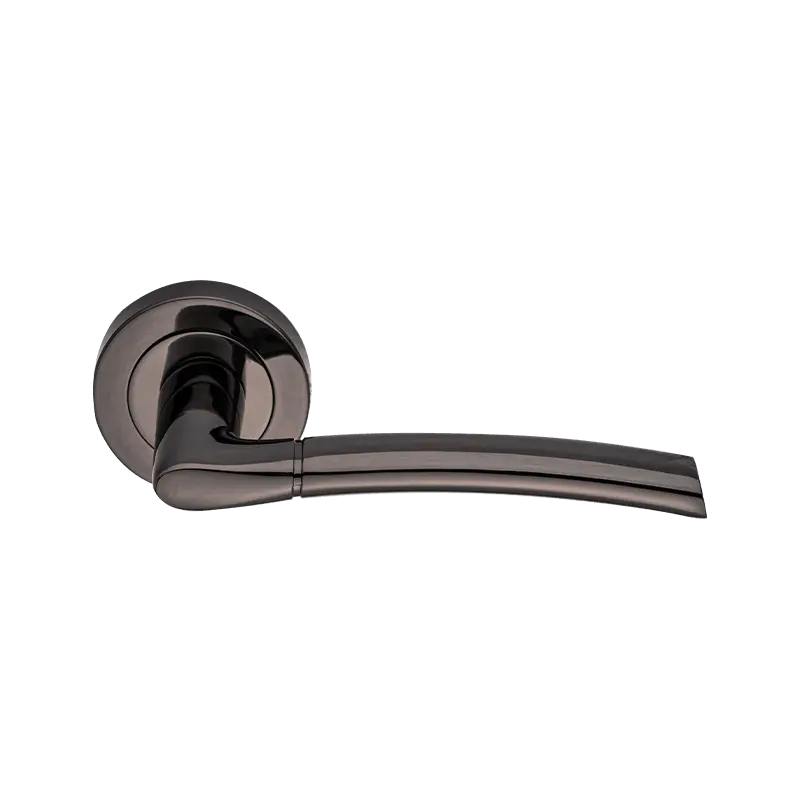
The main types of door handles are lever handles, knob handles, pull handles, and specialty handles like flush pulls or thumb-latch handles — and the right choice depends primarily on the door's function (entry, interior, accessibility-focused, or cabinetry), required security level, and accessibility needs. Door handles are one of the most frequently touched components in any building, making both function and durability just as important as appearance. This guide breaks down every major door handle type, compares them directly, and explains the accessibility and security factors that should influence your decision.
How Lever Handles Differ From Traditional Knobs
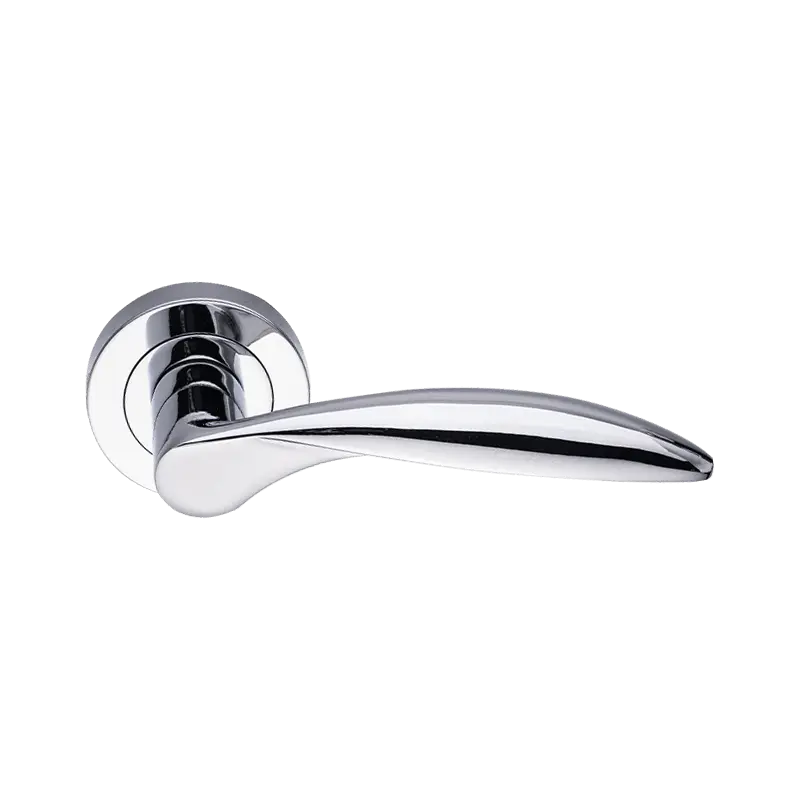
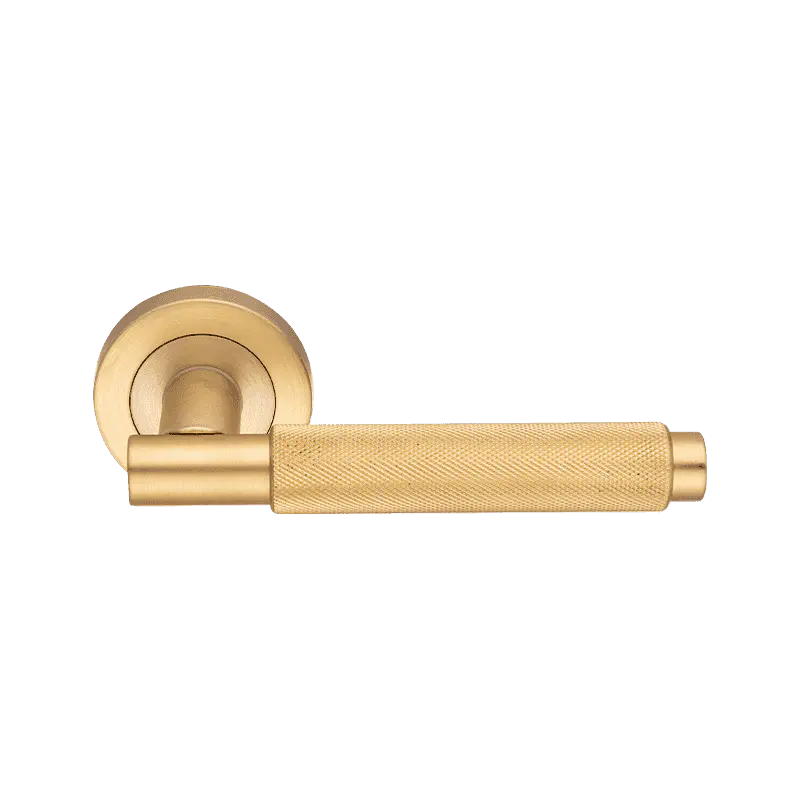
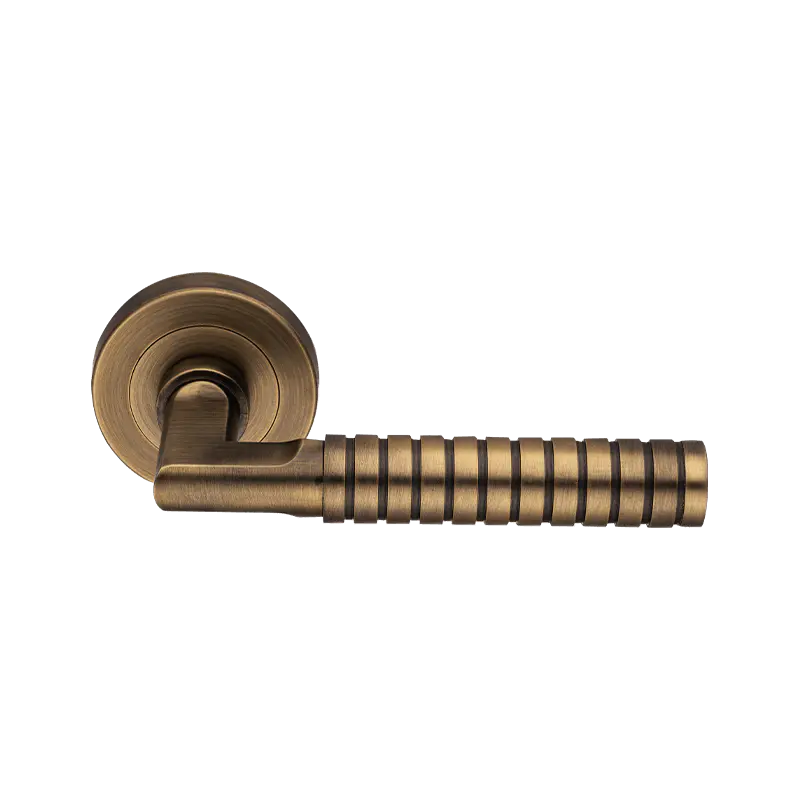
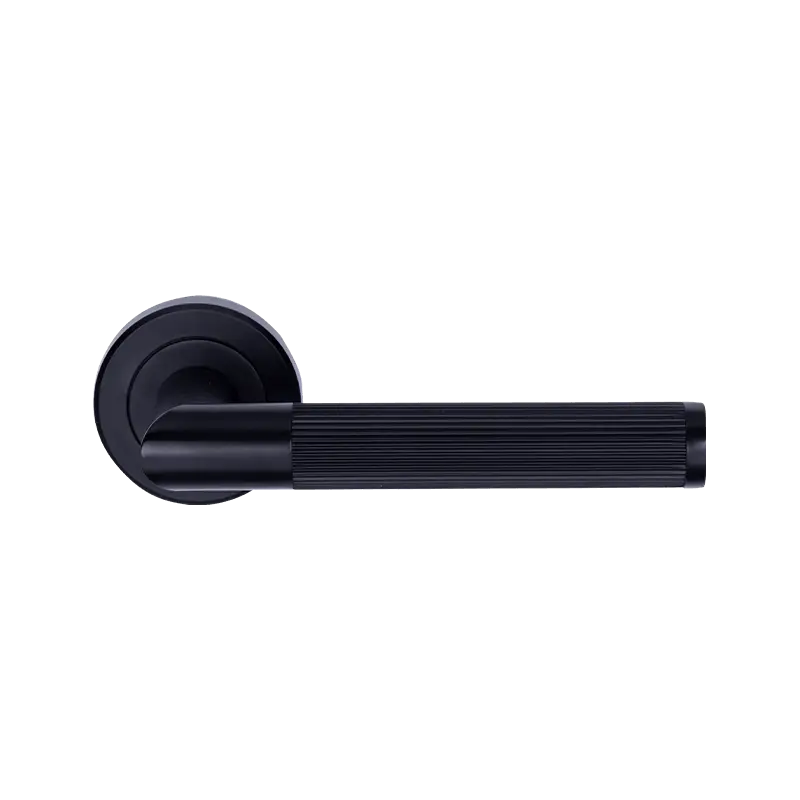
Lever handles operate by pushing the lever down rather than twisting a round knob, making them significantly easier to use for people with limited hand strength, arthritis, or mobility impairments, which is why building codes increasingly require or recommend levers over knobs in many commercial and accessible residential settings.
The Americans with Disabilities Act (ADA) Standards for Accessible Design specifically require door hardware that can be operated with one hand and does not require tight grasping, pinching, or twisting of the wrist — a requirement that round knobs generally fail to meet, while lever handles, push-pull mechanisms, and U-shaped pulls satisfy this standard. This is a major reason lever handles have become the default choice in most new commercial construction and many updated residential builds.
Lever Handle Styles
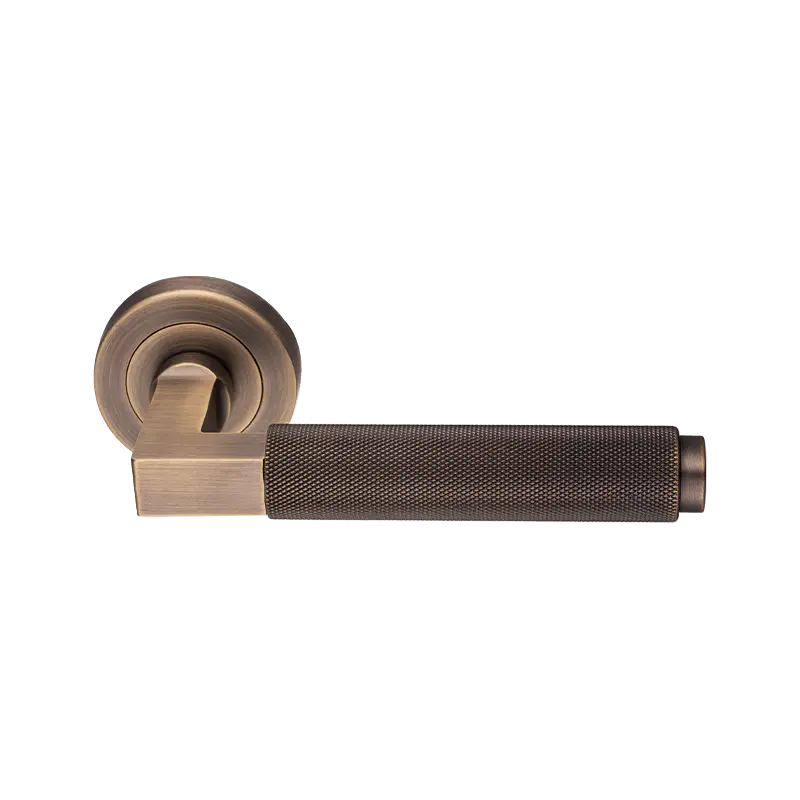
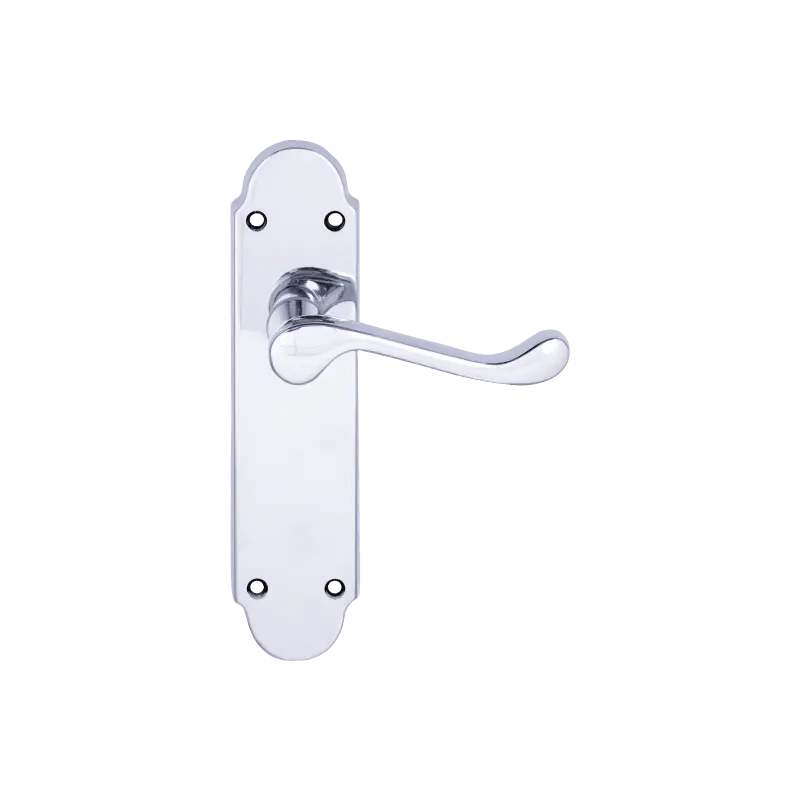
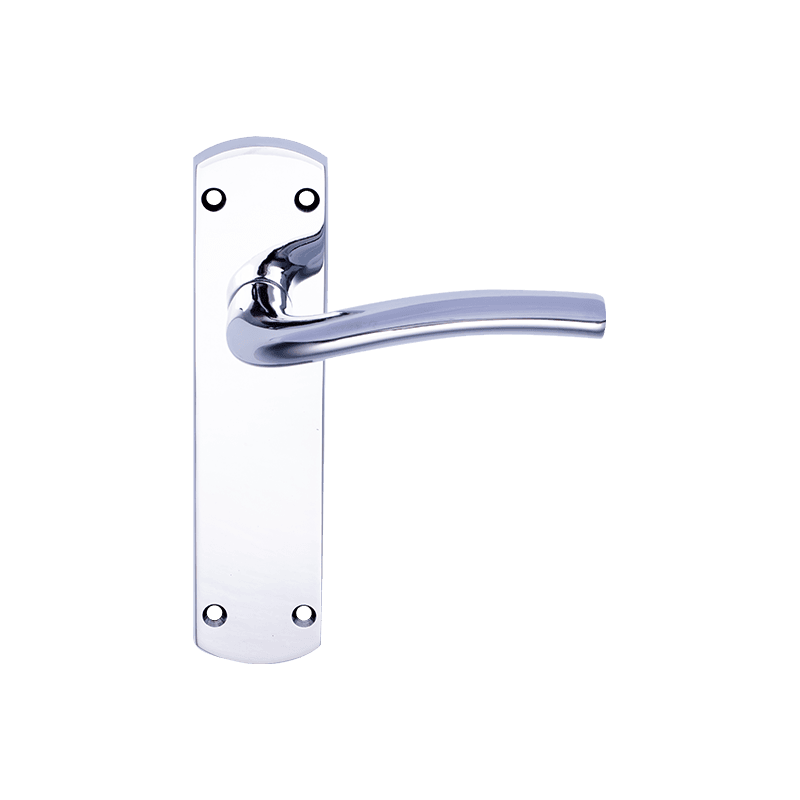
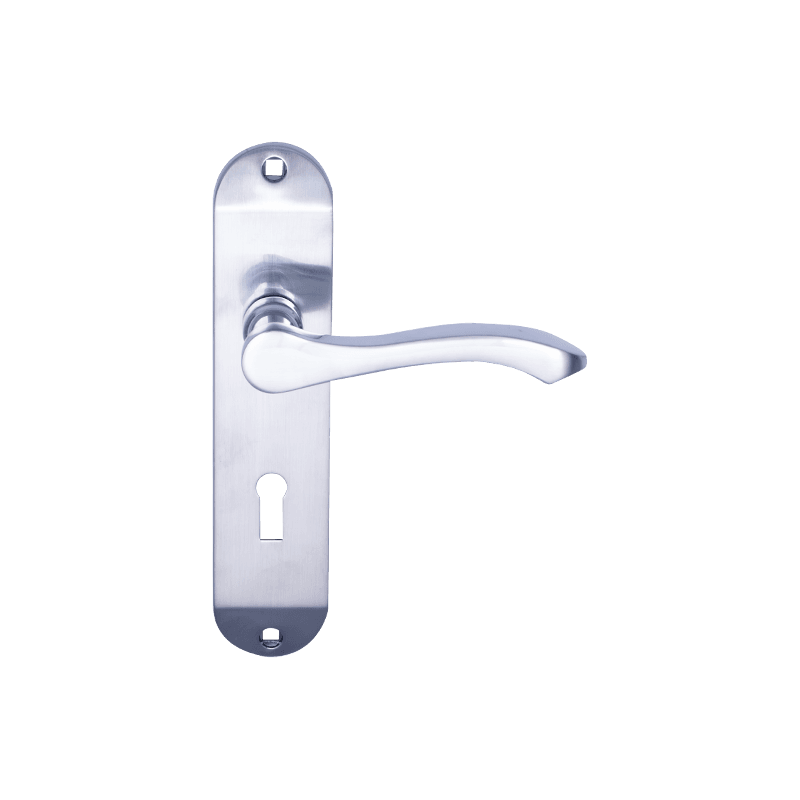
Lever handles come in straight, curved, and angled designs, with curved and angled levers generally considered more comfortable for repeated use since they reduce the awkward wrist angle sometimes associated with a fully straight lever. Most lever handles are available in passage (no lock), privacy (push-button or turn lock, typically for bathrooms and bedrooms), and keyed entry configurations to match the specific door's security requirements.
Why Knob Handles Remain Popular Despite Accessibility Concerns
Knob handles remain widely used in residential interiors primarily for their lower cost, classic aesthetic appeal, and long-standing familiarity, even though they are generally harder to operate than levers for people with limited hand dexterity or when hands are full or wet.
Round knobs require a twisting motion to operate, which demands more fine motor control and grip strength than simply pushing down on a lever. For households without specific accessibility requirements, this difference is often a minor inconvenience rather than a major obstacle, which is part of why knobs continue to be specified heavily in budget-conscious residential construction and renovation projects.
Comparing the Main Types of Door Handles
Each door handle type involves distinct trade-offs in accessibility, cost, security capability, and typical placement, making a side-by-side comparison the fastest way to match handle type to door function.
| Handle Type | Operation Method | Accessibility | Common Placement |
| Lever handle | Push down | High — ADA compliant | Interior doors, commercial buildings |
| Knob handle | Twist | Lower — requires grip and twist | Residential interior doors |
| Pull handle | Pull / push | High — no twisting required | Entry doors, glass doors, commercial storefronts |
| Flush pull | Recessed grip | Moderate | Sliding doors, pocket doors, cabinetry |
| Thumb-latch handle | Thumb press lever | Moderate | Exterior gates, traditional/rustic doors |
| Push plate / paddle | Flat push | Very high — no grip needed | Commercial entrances, public restrooms |
Caption: Comparison of common door handle types by operation method, accessibility level, and typical placement in residential and commercial buildings.
Which Door Handle Functions Match Different Security Needs?
Door handles are categorized by function — passage, privacy, dummy, entry, and storeroom — and choosing the correct function type is just as important as selecting a handle style, since the wrong functional type can leave a door unsecured when privacy or locking capability is actually needed.
| Function Type | Locking Capability | Typical Use |
| Passage | None | Hallways, closets, living rooms |
| Privacy | Push-button or turn lock (non-keyed) | Bathrooms, bedrooms |
| Dummy | None; non-functioning, fixed in place | Decorative closet doors, French door pairs |
| Entry | Keyed from outside | Front and back exterior doors |
| Storeroom | Always locked from outside; key required | Commercial storage, restricted-access rooms |
Caption: Door handle and lock function types, their locking capability, and the typical rooms or doors each function type is designed for.
How Pull Handles and Specialty Handles Serve Specific Door Types
Pull handles, flush pulls, and thumb-latch handles each address a specific door design challenge that standard knobs and levers cannot handle as effectively, making them essential rather than purely decorative choices for certain door types.
Pull Handles
Pull handles are bar-shaped fixtures mounted on the door's face, designed for doors that swing open by pulling rather than turning a mechanism, making them the standard choice for storefronts, glass entry doors, and heavy commercial doors where a knob or lever isn't practical or necessary. Because pull handles often pair with a separate locking mechanism like a deadbolt or panic bar rather than incorporating the lock directly, they are typically chosen alongside a complementary locking hardware decision rather than as a complete standalone unit.
Flush Pulls
Flush pulls sit recessed into the door's surface rather than protruding outward, making them the standard choice for sliding doors and pocket doors where a protruding handle would interfere with the door's sliding motion into a wall cavity or alongside an adjacent panel.
Thumb-Latch Handles
Thumb-latch handles use a thumb-operated lever on top of the handle to release an internal latch, a mechanism most commonly seen on traditional or rustic-style exterior doors and gates, often chosen for its classic visual appeal as much as its function. This style requires a slightly different operating motion — pressing down with the thumb while gripping the handle — compared to the simpler single push-down motion of a standard interior lever.
Which Materials and Finishes Affect Door Handle Durability?
Door handle material and finish directly determine resistance to corrosion, fingerprint visibility, and long-term wear, with solid brass and stainless steel generally offering the best combination of durability and finish retention among common options.
| Material/Finish | Corrosion Resistance | Maintenance Level |
| Solid brass | Excellent | Low to moderate (may need occasional polishing) |
| Stainless steel | Excellent | Low |
| Zinc alloy (plated) | Moderate | Moderate (plating can wear over time) |
| Matte black finish | Good (finish-dependent) | Low; hides fingerprints well |
| Polished chrome | Good | Higher; shows fingerprints and water spots readily |
Caption: Common door handle materials and finishes compared by corrosion resistance and ongoing maintenance requirements.
Why Door Handle Choice Matters Beyond Aesthetics
Door handle selection affects safety, accessibility compliance, and even germ transmission patterns in shared spaces, making it a functional decision with real consequences well beyond simple visual style preferences.
Studies on surface contamination in public and shared spaces have repeatedly identified frequently touched hardware — including door handles — as a notable vector for the transfer of bacteria and viruses between individuals, which is part of why push plates, foot-operated openers, and antimicrobial-coated handles have gained attention in healthcare and commercial settings specifically focused on reducing touch-based contamination. While this consideration may be less critical in a private residence, it remains a meaningful factor in office buildings, schools, and healthcare facilities when specifying door hardware.
Frequently Asked Questions About Door Handle Types
Are lever handles required by law in any settings?
In the United States, the ADA Standards for Accessible Design require accessible door hardware in covered commercial and public buildings, and round knobs generally do not meet this standard since they require tight grasping and twisting to operate. Many building codes at the state and local level have also incorporated similar accessibility requirements into residential code for certain types of housing, though private single-family homes are typically not subject to the same mandatory requirements as commercial buildings.
Can I replace a knob with a lever on the same door without modification?
In most cases, yes — standard interior and exterior door preparation (the holes drilled into the door for the handle and latch mechanism) is largely standardized in size and placement, allowing many lever handles to be installed as a direct swap for an existing knob without additional drilling. It's still worth double-checking the backset measurement (the distance from the door edge to the center of the handle hole) and overall hole diameter against the new lever's specifications before purchasing.
What is the difference between a passage and privacy door handle?
A passage handle has no locking mechanism at all and is meant for doors where privacy or security isn't needed, such as hallway or closet doors, while a privacy handle includes a simple push-button or turn lock on the interior side — without requiring a key — designed for spaces like bathrooms and bedrooms where temporary, non-keyed privacy is the goal rather than full security.
Why do some exterior doors use both a handle and a separate deadbolt?
Combining a handle's built-in lock with a separate deadbolt provides layered security, since a standalone deadbolt is generally more resistant to forced entry techniques like lock picking or simple physical force than the smaller, often less robust locking mechanism built into many handle sets. This two-lock approach is a widely recommended practice for exterior entry doors specifically because it doesn't rely on a single point of failure for home security.
Do matte black door handles show fewer fingerprints than chrome?
Yes, generally — matte and brushed finishes scatter light more diffusely than highly reflective polished finishes like chrome, which makes fingerprints, smudges, and water spots considerably less visible on matte black or brushed nickel hardware compared to polished chrome or polished brass. This is one practical reason matte finishes have grown in popularity for kitchen and bathroom hardware, beyond purely stylistic trends.
Which door handle type is best for households with young children?
Round knobs can sometimes be slightly more difficult for very young children to operate compared to levers, which some parents intentionally use as a mild deterrent on doors leading to potentially hazardous areas, such as basements or garages. For interior doors where ease of use is the priority instead, lever handles are generally easier for children to operate independently, so the right choice really depends on whether you want to limit or enable a child's independent access to a specific door.
Conclusion
Choosing among the many types of door handles ultimately comes down to matching function, accessibility needs, and security requirements to each specific door in your home or building — levers for accessibility and ease of use, knobs for classic residential style, pull handles and flush pulls for doors with specific mechanical constraints, and the right function type (passage, privacy, entry, or storeroom) to match the actual security needs of each room.
Taking the time to evaluate material durability, finish maintenance, and accessibility alongside simple aesthetic preference will help ensure the door hardware you choose performs reliably for years, rather than needing premature replacement or causing daily friction for anyone in the household who finds a particular handle style harder to use.